New Discoveries Uncover Viking Textile Production in Denmark | viva368 slot, rtp barbar77, rtv live slot semua situs
Categories:industry
Tags: win88idspkv online terbaikslots empire no deposit bonus for existing playersrtp 365 slotslot singawinalila slot logingta slot 77
Official :
SEO : Aizhan.com Webmaster Tools
Website
Recent archaeological findings in Denmark have unveiled a remarkable Viking textile production site, shedding light on the region’s historical significance. This discovery not only enriches our understanding of Viking culture but also underscores the importance of textile craftsmanship in their society.
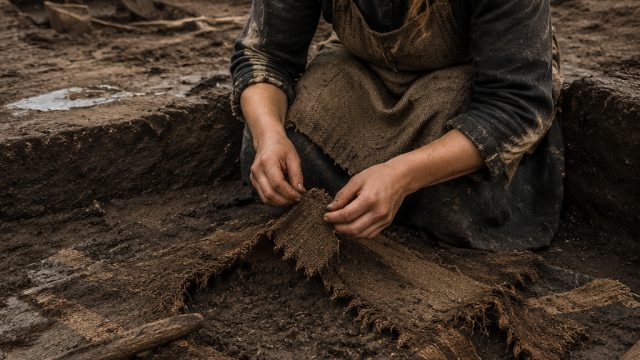
The excavation, situated at an ancient Viking settlement, reveals a complex network of textile production that flourished over a thousand years ago. Archaeologists have unearthed numerous tools and remnants of fabric, illustrating the advanced techniques employed by these early Scandinavians.
Textile production was not merely a trade; it was a community activity that reinforced social bonds among the Vikings. The site indicates that production was organized and likely involved various family units working together. This collaborative effort highlights the communal spirit prevalent in Viking society, as they shared resources and skills to create functional and exquisite textiles.
This discovery is vital for historians and archaeologists as it enriches current narratives about the Viking Age. Previously considered predominantly as warriors and traders, the Vikings are now being recognized for their contributions to textile arts. This new insight allows for a more nuanced understanding of their daily lives and economic practices.
The revival of interest in Viking textiles has prompted contemporary designers and artisans to draw inspiration from these ancient techniques. As sustainability becomes increasingly important in today’s fashion industry, the traditional methods and materials used by Vikings offer valuable lessons in craftsmanship and environmental consciousness.
As the findings gain attention, museums and educational institutions are poised to enhance public engagement with Viking history. Interactive exhibits showcasing textile production techniques can provide visitors with a hands-on understanding of this ancient craft.
Local communities are also encouraged to participate in workshops that teach traditional spinning and weaving. These initiatives not only preserve historical practices but also foster a deeper appreciation for cultural heritage.
The recent archaeological discovery in Denmark serves as a reminder of the rich and complex history of the Viking Age. By uncovering the intricacies of textile production, we gain insight into the social structures, economic practices, and cultural values of the Vikings. This site stands as a testament to their creativity and resilience, encouraging us to reflect on the broader implications of their legacy in today’s world.
Website