Controversy Looms Over India's Revised GDP Growth Figures
Categories:industry
Tags: websitedirectorylinksnavigationtoolsresources
Official :
SEO : Aizhan.com Webmaster Tools
Website
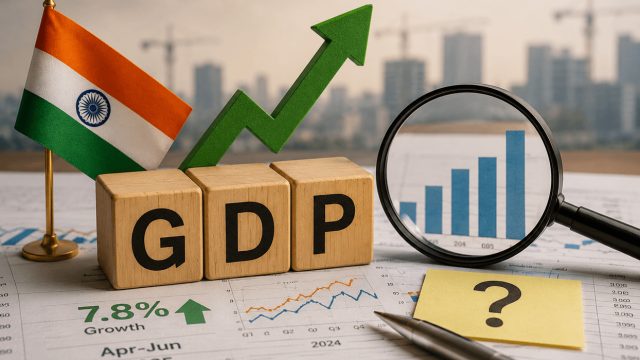
In recent weeks, India has found itself at the center of a heated debate regarding its economic performance. The country's GDP growth rate for the April-June quarter of 2023 reported a surprising 7.8% increase year-on-year. However, this figure has been met with skepticism due to significant revisions in previous data. Subhash Chandra Garg, a former finance secretary, has been vocal about these changes, suggesting they may distort the actual economic situation.
Critics argue that the revised data set a lower benchmark for comparison, making the current growth figures appear more favorable than they might actually be. This controversy is especially notable as it coincides with broader global economic uncertainties and the pressing challenges that many countries face.
The adjustments to India’s GDP calculations stem from a new framework implemented in February 2023. This framework aims to provide a more accurate representation of the economy. However, it has raised questions about the integrity of the reported growth rates. Garg's assertions highlight the ongoing struggle to maintain transparency in economic reporting, particularly in a country as large and complex as India.
In this context, the nominal GDP for April-June 2023 was reportedly trimmed to around 86 trillion rupees (approximately $910 billion), a significant reduction from earlier estimates. Such revisions can have wide-reaching implications, affecting investor confidence and policy-making decisions.
The recent economic discourse in India is not just significant domestically; it holds implications for the entire Southeast Asian region. As countries within the ASEAN framework, like Indonesia and Malaysia, navigate their economic pathways, the stability and growth of the Indian economy can impact regional trade dynamics.
Investor confidence is a crucial element for sustaining economic momentum. If the specter of revised data continues to loom large, it may lead to hesitance among foreign investors looking to tap into the Indian market. Countries such as Indonesia are closely watching these developments as they look to strengthen respective economies. Reports indicate that sectors like agen slot mahjong and joker slot 77 are particularly sensitive to broader economic news, with fluctuations potentially affecting revenue generation.
As India grapples with its GDP growth narrative, the interplay of revised data and actual economic conditions presents a significant challenge. Policymakers must approach these figures with caution, ensuring transparency and accuracy to build trust in economic reporting. The message is clear: in today's interconnected world, the accuracy of data and the perception of economic health are critical not only for the nation but also for its neighbors in the ASEAN region. As India strives for growth, the lessons learned here could resonate across borders.
Website


