Democrats Propose Court Expansion: What This Means for the Future
Categories:game world
Tags: websitedirectorylinksnavigationtoolsresources
Official :
SEO : Aizhan.com Webmaster Tools
Website
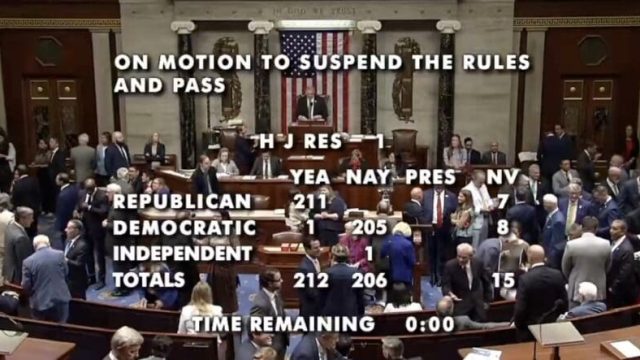
The recent decision by over 200 Democratic lawmakers to vote for a resolution aimed at expanding the Supreme Court has sparked widespread debate across the nation. This move, often referred to as "court packing," stems from growing concerns among Democrats regarding the impartiality of the current court's rulings. Many believe that the conservative majority has consistently undermined progressive legislation, prompting this call for reform.
By increasing the number of justices, proponents argue that the Supreme Court would better reflect the political landscape of the country. With a Democratic president and Congress, the party sees an opportunity to recalibrate the judiciary favorably. This is especially significant in light of upcoming legislative battles that could shape the social and economic opportunities for millions of Americans.
The urgency surrounding this proposal can be traced to recent Supreme Court decisions affecting crucial issues such as healthcare, voting rights, and environmental regulations. With many Americans feeling that their voices are not being heard by a court dominated by conservative ideologies, the Democrats' call for court expansion is seen as a necessary step to ensure fair representation. Furthermore, as the nation heads into the 2024 election cycle, the stakes are higher than ever.
For jurisdictions like Southeast Asia's Indonesia, particularly in cities like Jakarta and Surabaya, the implications of U.S. judicial decisions can resonate internationally, affecting various aspects of governance and diplomacy. The political dynamics in the U.S. can also set a precedent for other democracies around the world, influencing their own judicial frameworks.
Reactions to the court expansion proposal have been mixed. While many Democrats view this as a critical reform, Republicans and some constitutional scholars vehemently oppose the idea. They argue that altering the structure of the Supreme Court could set a dangerous precedent, leading to further political manipulation of the judiciary.
Senator Mitch McConnell has labeled the initiative as an effort to undermine the Constitution, warning that such a move could erode public trust in the legal system. Meanwhile, Democratic leaders insist that restoring balance is essential for a fair judicial process.
As the discussion surrounding the court expansion continues, its potential impacts on future legal interpretations and the broader democratic process cannot be overlooked. If the Supreme Court is expanded, it may lead to a shift in how landmark cases are decided, far extending beyond the current political climate.
Moreover, such a change may raise critical questions about the independence of the judiciary. Observers worry that increasing the number of justices could lead to further politicization of court appointments, which may erode the foundational principle of an unbiased legal system.
The concept of court packing has reignited discussions about public trust in the judiciary. Polls indicate a growing concern among Americans regarding the fairness of judicial decisions. If court expansion were to occur, it remains to be seen how it would impact public perception of judicial integrity.
In a democracy, the courts are expected to remain impartial arbiters of the law. Any perceived manipulation of the judiciary could further disillusion voters and undermine confidence in democratic institutions, particularly ahead of pivotal elections.
The recent vote by Democrats to consider expanding the Supreme Court reveals a significant crossroads in U.S. political history. As discussions continue, it remains essential for voters to engage with the implications of such proposals on both the domestic front and the international stage. The outcome of this debate will likely shape the future of American governance and the judiciary for years to come.
Website