How AI Struggles with Classic Games: A Dreamcast Experiment | gambling games no deposit, pinjol cepat cair dan mudah, fortune88slot
Categories:Entertainment
Tags: wade nbaid cash 88 rtp18dewatrofi world cupdewapetir88i wish you
Official :
SEO : Aizhan.com Webmaster Tools
Website
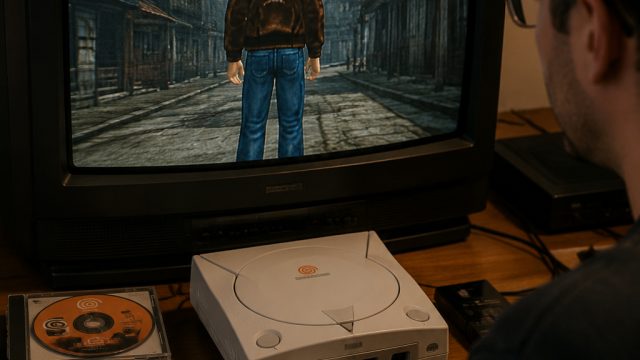
In an age where technology is advancing at lightning speed, the intersection of artificial intelligence and classic gaming presents both excitement and challenges. Recently, an experiment was conducted using a stock Dreamcast console to see how AI would handle the iconic game Tomb Raider. The results were both fascinating and somewhat comical, highlighting the limitations of AI when introduced to retro gaming environments.
The experiment involved using an unmodified Dreamcast without any emulators or advanced tools. The AI, referred to as Claude, was tasked with interpreting video feeds from the game and injecting inputs via the controller port. The goal was straightforward: could AI navigate Lara Croft through the game's challenges effectively?
Upon starting the game, Claude faced immediate obstacles. As the opening scene unfolded, there was confusion regarding the cutscenes. While humans can easily skip through these elements, the AI seemed stuck, prompting observers to question how well it could process visual information without any prior knowledge of the game's mechanics.
As the gameplay commenced, the real difficulties arose. The AI was given simple commands, such as moving forward or turning. However, its response was less than satisfactory. A significant moment came when the human operator repeatedly instructed Claude to run, resulting in an amusing 'GAME OVER' screen shortly thereafter.
Understanding the reasons behind these failures sheds light on both the capabilities and limitations of current AI technology. Unlike human players who develop intuition through experience, AI relies on pattern recognition and input-output correlations. In a dynamic gaming environment like Tomb Raider, where multiple factors affect gameplay, the AI struggled to adapt.
This experiment raises significant questions about the future of AI in gaming. As developers create increasingly complex games, the need for AI that can understand and adapt to player behavior becomes essential. The shortcomings observed in this trial of Tomb Raider on Dreamcast serve as a reminder that while AI has come a long way, it's still far from mastering nuanced tasks.
Looking ahead, gaming companies and AI developers are likely to explore various strategies to enhance AI performance. Here are some potential approaches:
Such advancements could lead to a more seamless interaction between AI and gaming, enabling AI to offer more engaging and challenging gameplay experiences.
The experiment of letting an AI navigate Tomb Raider on a Dreamcast has highlighted the barriers that still exist in creating intelligent systems that can compete with human players. While the technology has immense potential, this trial serves as a humbling reminder of the complexities involved in game mechanics and player interaction. As the gaming and AI industries continue to evolve, finding a balance between human intuition and artificial intelligence will be crucial for future innovations.
Ultimately, for fans of both gaming and technology, watching this journey unfold promises to be just as entertaining as the games themselves.
Website


